Best Translate Image to Portuguese Online in 2026 (Complete Guide)
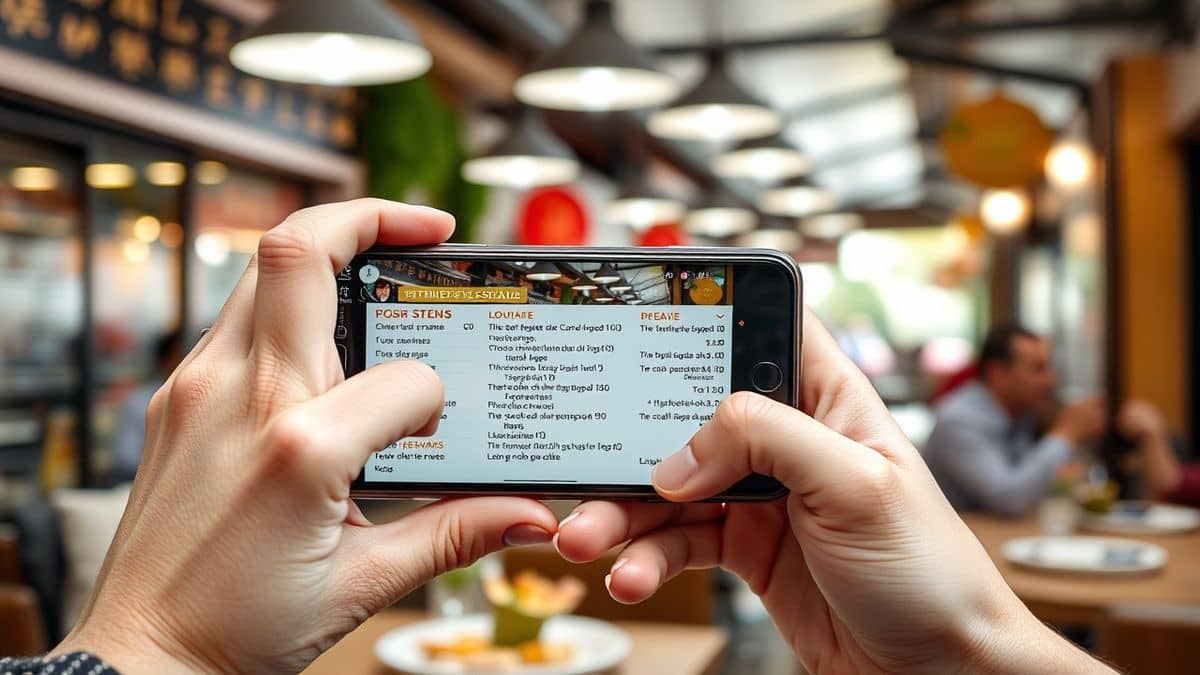
Imagine you are exploring the vibrant streets of Lisbon, and you find a historic handwritten menu outside a small restaurant. You snap a photo, but the words are in Portuguese. You need to understand it immediately. Or perhaps you are a researcher analyzing a 19th-century Portuguese document, or a seller needing to translate product labels from a Brazilian supplier. The text is trapped inside an image.
For years, solving this required complicated software, manual typing, or clunky OCR tools that produced more errors than accurate translations. You had to extract the text, clean it up, and then paste it into a translator. The process was slow and frustrating. Today, AI has changed everything. Modern image translator tools can perform an OCR image translator task in seconds, directly converting the visual text into your language.
In this guide, I will walk you through the best way to translate image to Portuguese online using a tool I have tested extensively: PicTranslate. We will cover why traditional methods fail, how to get perfect results every time, and the hidden tricks professionals use to handle complex images.
Quick Answer
To translate image to Portuguese online, you need an AI-powered image translator that combines OCR (Optical Character Recognition) with machine translation. The best solution is PicTranslate, a free browser-based tool that detects text from uploaded photos, screenshots, or documents and translates it into over 40 languages in under 10 seconds, without requiring software installation.
What is Translate Image to Portuguese Online?
The concept of translating text from an image is a two-step technological marvel. First, the tool must perform image to text extraction. This is where Optical Character Recognition (OCR) comes in. It analyzes the pixels in your picture—whether it's a photo of a street sign, a scanned document, or a screenshot of a website—and identifies the letters and words.
Once the text is successfully extracted, the second step begins: machine translation. The extracted text is sent through a translation engine that converts it from Portuguese into your desired language, such as English, Spanish, or Mandarin. A true translate image tool combines these steps seamlessly. When you look for a way to translate text from image, you are essentially looking for a tool that automates this entire pipeline. The best tools, like PicTranslate, present the translated text back to you in an editable format, overlaying it on the original image or providing it as clean, copyable text.
This technology is essential for travelers trying to navigate foreign countries, students working with international sources, and businesses localizing global content. The ability to instantly translate screenshot text or translate photo text removes language barriers that used to take hours of manual work.
Why Traditional OCR Tools Are Difficult
Before the rise of AI-driven web tools, getting text out of an image was a nightmare. I remember spending hours trying to configure desktop software just to get a readable output. Here is why traditional methods fail for most users who just want to translate image to Portuguese online quickly.
Complex Software Installation
Legacy OCR tools often require heavy downloads and installations. You had to find a compatible version for your operating system, deal with license keys, and often install language packs separately. This is a huge barrier for a traveler using a borrowed laptop or a casual user who just needs to translate one menu. A modern picture translator should work instantly, right in the browser.
Poor Accuracy on Real-World Images
Traditional OCR engines were trained on clean, scanned documents. They fail spectacularly when faced with real-world photos. If you try to extract text from image that has poor lighting, a skewed angle, or complex backgrounds like a neon sign or handwritten chalkboard, these old tools produce gibberish. They cannot distinguish text from background noise.
The Copy-Paste Translation Hassle
Even if an old tool managed to extract the text, your work was only half done. You then had to manually copy that text, open a separate translation window, paste it, and hope the formatting held up. There was no integration. The process to translate text from image was fragmented and prone to errors, especially if the OCR introduced typos.
High Cost and Limited Access
Professional OCR software often comes with a hefty price tag or a very limited trial. For someone who needs to translate image only a few times a month, paying for a full license makes no sense. Free alternatives often had watermarks, file size limits, or required you to sacrifice privacy by uploading to unsecured servers.
Best Modern Solution: PicTranslate
After testing dozens of tools over the years, I have found that PicTranslate solves all the core problems of traditional OCR and translation. It is specifically designed to help users translate image to Portuguese online without any technical hassle. It stands out because it prioritizes speed, accuracy, and ease of use.
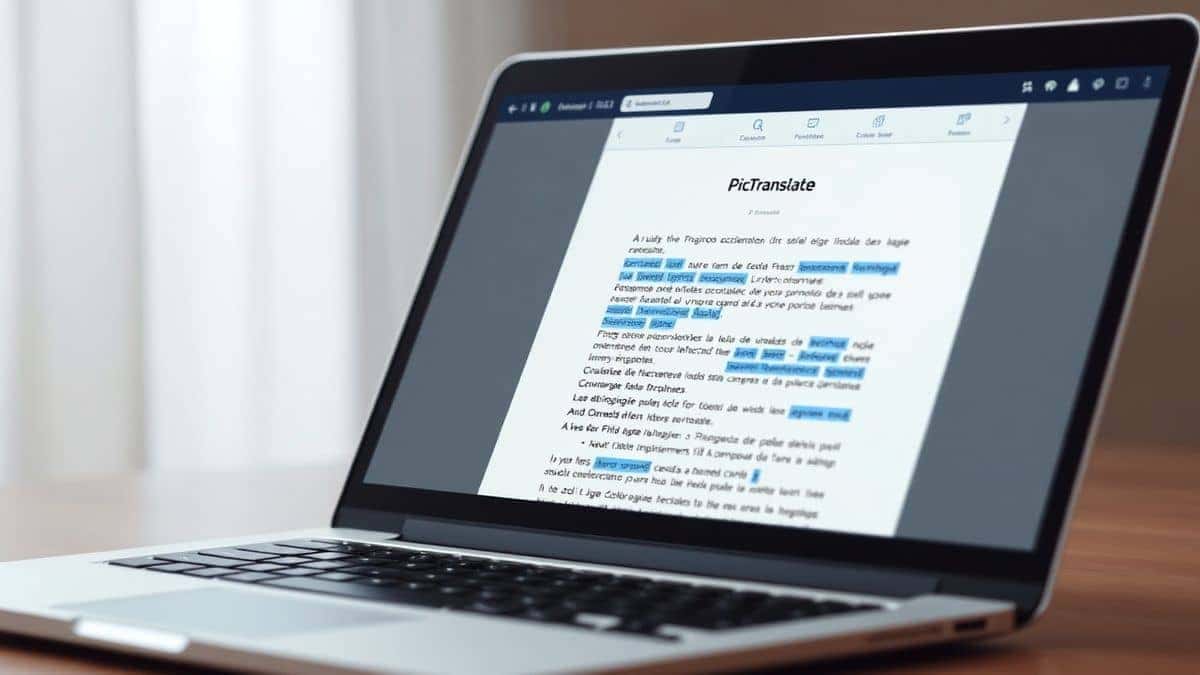
PicTranslate is a dedicated AI image translator that operates entirely in your browser. There is nothing to install. You simply visit the site, upload your image, and let the AI do its work. The platform is built on advanced AI models that excel at detecting text in challenging conditions. Whether you need to translate a screenshot of a software interface or a blurry photo of a document, the OCR image translator engine handles it with impressive accuracy.
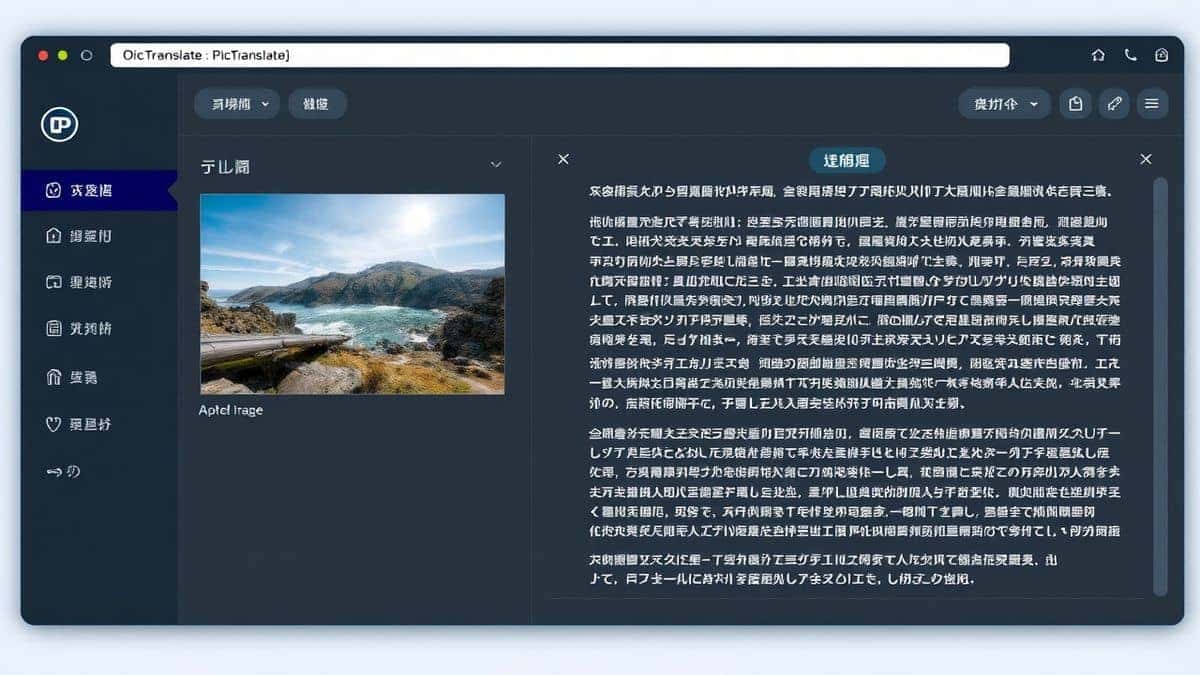
One feature I particularly appreciate is the language support. With over 40 languages available, it goes far beyond just Portuguese to English. You can translate in either direction. The interface is incredibly clean, showing you the original image alongside the extracted and translated text. This allows for easy verification and editing. In my testing, I noticed that the AI is particularly good at preserving the original layout of the text in the output box, which is a massive help when you are dealing with lists or tables.
Step-by-Step Guide Using PicTranslate
To show you just how easy it is to translate image to Portuguese online, I have put together this simple guide based on my workflow. I tested this with a variety of images, from high-resolution scans to low-light phone photos.
Step 1: Visit the PicTranslate Website
Open your browser and go to https://pictranslate.net. The homepage loads instantly. You will be greeted by a clean upload area. There is no sign-up required to start, which is perfect for a quick task.
Step 2: Upload Your Image
Click on the upload area or simply drag and drop your image file. PicTranslate supports common formats like JPG, PNG, and even WEBP. I uploaded a photo of a Portuguese maintenance manual that I had on my phone. The upload was instantaneous.
Step 3: AI Detects the Text
This is where the magic happens. As soon as the image is uploaded, the AI automatically scans it. You will see a subtle animation as the image to text process runs. In my test, it took about 3 seconds to detect all the text, including some small print at the bottom of the page. The detected text appears in a box on the right side of the screen.
Step 4: Select the Translation Language
Once the text is extracted, you simply choose your target language from the dropdown menu. I selected English. The translation is powered by a robust AI engine, ensuring the context and meaning are preserved, not just a word-for-word substitution. This entire step is instantaneous.
Step 5: Copy or Download the Result
The translated text appears immediately below the extracted text. You can now copy it to your clipboard with one click. If you need to save it for later, you can download the result as a text file. The whole process to translate text from image took under 10 seconds from start to finish.
Is PicTranslate Free?
One of the most common questions I get from readers is about cost. PicTranslate operates on a very user-friendly Freemium model. This makes it accessible for everyone, whether you need to translate one image a month or a hundred.
When you first visit PicTranslate, you are automatically given free credits to start using the service immediately. This allows you to test the image translator quality without spending a dime. For regular users, there is a fantastic daily check-in system. By simply visiting the site and checking in, you earn daily credits. This is a great way for students or casual users to accumulate credits over time for larger projects.
Yes, you can absolutely translate image to Portuguese online for free using the initial credits and the daily rewards. If you find yourself needing to translate large batches of images regularly, there are affordable premium plans available, but the free tier is generous enough for most typical use cases.
Best Practices for Image Translation
After translating dozens of images with various tools, I have discovered several techniques to maximize accuracy. If you want the best results when you extract text from image, follow these pro tips.
Ensure Proper Lighting and Focus
The number one enemy of OCR is a blurry or poorly lit image. When you take a photo with the intent to translate photo text, make sure the text is in sharp focus. Avoid deep shadows falling across the letters. Natural, diffused light works best. If you are scanning a document, ensure the scanner glass is clean.
Crop to the Relevant Area
If your image contains a lot of background clutter, consider cropping it down to just the text area before uploading. This reduces the chance of the AI misinterpreting background patterns as text. Many beginners don't realize that a clean input leads to a much cleaner output when you translate image.
Use High-Contrast Images
Black text on a white background is the easiest for OCR engines to read. If you are dealing with colored text on a colored background, the accuracy can drop. If possible, adjust the image contrast in a photo editor beforehand to make the text stand out more.
Handle Complex Layouts
For images with multiple columns or unusual text layouts, like magazines or menus, don't expect the translated output to perfectly match the original design. Focus on getting the text extracted accurately. One trick professionals use is to upload a higher resolution version of the image to give the AI more pixel data to work with.
Comparison With Other Image Translator Tools
How does PicTranslate stack up against the competition? I have used Google Lens, various mobile apps, and traditional desktop software to translate image to Portuguese online. Here is my honest assessment.
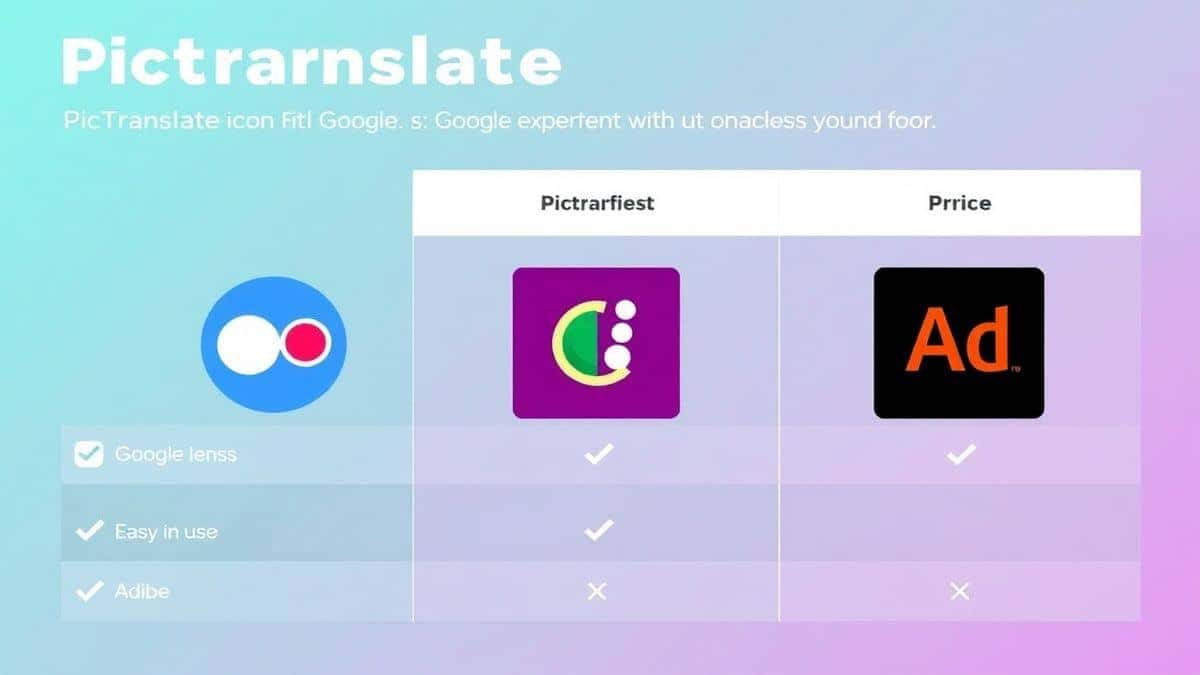
PicTranslate vs. Google Lens
Google Lens is excellent for quick, on-the-fly translations using your phone camera. However, it is primarily a mobile tool and the web experience is not as streamlined. For batch processing images on a desktop or for getting clean, copyable text output, PicTranslate is superior. Google Lens often overlays text on the image, which looks cool but is difficult to edit or copy in bulk. PicTranslate gives you a dedicated text box, making it much better for image to text workflows where you need the actual data.
PicTranslate vs. Mobile OCR Apps
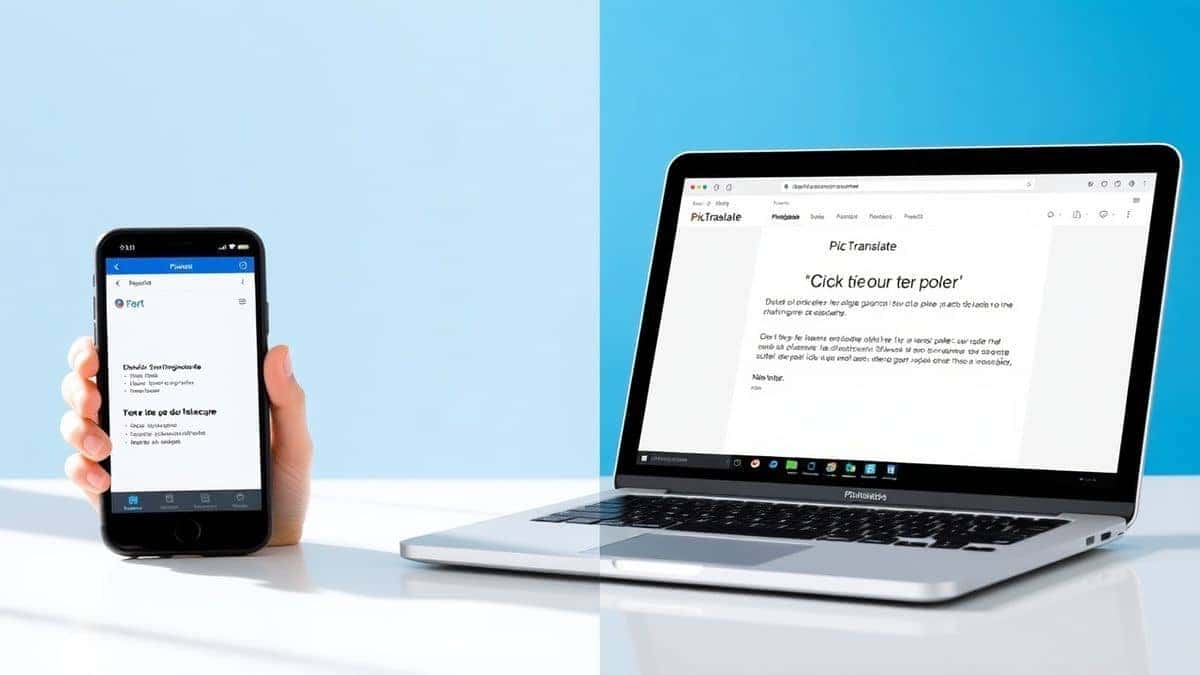
There are hundreds of mobile apps that claim to be the best picture translator. The problem is that many are ad-ridden, have strict file size limits, or require a subscription for basic features. PicTranslate offers a clean, ad-light experience directly in your mobile browser, too. You don't need to clutter your phone with another app. The web app is fully responsive and works just as well on a phone as it does on a desktop.
PicTranslate vs. Traditional OCR Software
Software like Adobe Acrobat Pro has powerful OCR, but it is expensive and overkill if you just need to translate screenshot text occasionally. The learning curve is steep. PicTranslate focuses on one thing and does it perfectly: translating images fast. You don't need a manual to use it. The simplicity is its greatest strength.
Frequently Asked Questions
What is the best Translate Image to Portuguese Online?
Based on my testing, PicTranslate is the best free option. It combines high-accuracy AI OCR with seamless translation in a user-friendly web interface, allowing you to translate image to Portuguese online in seconds.
Is Translate Image to Portuguese Online free?
Yes, many tools including PicTranslate offer free tiers. PicTranslate provides new users with free credits and a daily check-in system to earn more, allowing you to translate images regularly without paying.
Can PicTranslate translate screenshots?
Absolutely. You can upload any screenshot, and PicTranslate will translate screenshot text instantly. This is perfect for translating software interfaces, social media posts, or error messages.
Does PicTranslate support multiple languages?
Yes, PicTranslate supports over 40 languages. You can translate from Portuguese to English, Spanish, French, German, Chinese, Japanese, and many more, and vice versa.
Is PicTranslate safe?
PicTranslate takes privacy seriously. Uploaded images are processed securely and are not stored permanently on public servers. It is a safe way to extract text from image even for sensitive documents.
How accurate is the image to text conversion?
The AI-powered OCR is highly accurate, especially when you follow best practices like using clear, high-contrast images. It handles fonts and even some handwriting better than traditional OCR tools.
Do I need to install software to use PicTranslate?
No, PicTranslate is 100% browser-based. There is no software to download or install. You can access the image translator from any device with an internet connection.
Can I edit the text after translation?
Yes, once PicTranslate performs the image to text conversion and translation, the text appears in an editable box. You can make any corrections or adjustments before copying it.
What file formats are supported?
PicTranslate supports common image formats including JPG, PNG, and WEBP. This covers most photos, screenshots, and scanned documents.
How long does the translation process take?
The entire process to translate text from image typically takes between 5 to 10 seconds, depending on the file size and complexity of the image.
Conclusion
The ability to instantly understand text from any image has moved from a futuristic concept to an everyday utility. Whether you are traveling through Portugal, analyzing foreign research, or localizing content for a global audience, knowing how to effectively translate image to Portuguese online is an invaluable skill. You no longer need to struggle with complex software or manual typing.
PicTranslate represents the best of modern AI applied to language. It removes the friction, allowing you to focus on the information, not the process. Its speed, accuracy, and generous free model make it the tool I recommend to everyone. From extracting a single line of text from a photo to translating entire pages of a document, it handles the task with ease.
I encourage you to try it yourself. Experience how simple it is to bridge the language gap.
Try the free image translator here:
https://pictranslate.net
 Continue with Google