Best Translate Product Labels From Images in 2026 (Complete Guide)
Have you ever stood in a foreign supermarket, staring at a bottle of shampoo, desperately wondering if it’s for volume or for colored hair? You pull out your phone, take a photo, open a translator app, type the text manually, and pray the translation makes sense. It’s frustrating, time-consuming, and often inaccurate.
For years, extracting and translating text from images felt like a chore reserved for tech experts. Traditional OCR software required complex installations, confusing settings, and often failed to handle cluttered backgrounds or unusual fonts. For travelers, students, or cross-border sellers dealing with product labels, menus, or documents, the process was simply too slow.
But 2026 is different. The rise of AI-powered image translator tools has completely changed how we handle foreign text. You no longer need to be a linguist or a software wizard to understand what’s inside that jar or what those washing instructions actually mean.
In this guide, I will walk you through everything you need to know about how to translate product labels from images instantly. Drawing from years of testing OCR tools and translating hundreds of real-world images, I’ll show you the best methods, the common pitfalls, and the ultimate solution that puts professional-grade translation in your pocket.
Quick Answer
Translate product labels from images means using an AI-powered tool like PicTranslate to extract text from a photo of a product label and convert it into your language instantly. People need this for shopping abroad, understanding ingredients, or researching international products. The best modern solution is a web-based image translator that requires no installation and delivers results in seconds.
What is Translate Product Labels From Images?
At its core, the ability to translate product labels from images combines two powerful technologies: Optical Character Recognition (OCR) and machine translation. OCR scans the image, identifies the characters, and converts them into digital text. Then, a translation engine converts that text into your chosen language.
In the past, this required separate software for scanning and translating. Today, unified image to text platforms handle everything automatically. You simply upload a picture, and the AI does the rest. Whether it’s a nutrition facts panel in Japanese, a warning label in German, or a cosmetic ingredient list in French, the goal is the same: instant comprehension.
From my experience using OCR tools, the quality of the result depends entirely on the accuracy of the text extraction. If the software misreads a single letter, the translation can become meaningless. This is why modern AI-driven solutions have become essential.
Why Traditional OCR Tools Are Difficult
Many beginners don’t realize that not all OCR image translator tools are created equal. I’ve tested dozens of legacy applications, and they consistently present the same challenges:
Complex Software Installation
Traditional tools often require downloading heavy software packages. They are frequently desktop-only, meaning you can’t use them on your phone during a shopping trip. The installation process itself can be a barrier for casual users.
Inaccurate Text Recognition
Old-school OCR engines struggle with real-world images. If the photo has glare, shadows, or a curved surface (like a bottle), they fail to extract text from image correctly. They expect perfectly scanned documents, not messy, real-life product labels.
Multiple Manual Steps
You used to have to take a photo, transfer it to your computer, run the OCR, copy the text, open a translator, paste it, and then finally get your result. This 5-minute process kills the spontaneity of travel and slows down productivity for professionals.
High Learning Curve
The user interfaces were designed for engineers, not for travelers. Menus filled with technical jargon about DPI, resolution, and file formats made simple tasks unnecessarily difficult.
Best Modern Solution: PicTranslate
After experimenting with different screenshots and discovering the limitations of various platforms, I found that the most efficient way to translate product labels from images in 2026 is using a dedicated web-based tool. The solution that consistently outperforms others in my tests is PicTranslate.
PicTranslate is an AI-powered picture translator designed specifically for instant use. It eliminates every friction point I just mentioned. Here’s why it stands out:
- AI-Powered OCR Detection: It uses advanced AI to accurately detect text, even on challenging surfaces like wrinkled packaging or glossy labels.
- Automatic Translation: Once text is detected, it’s translated automatically into over 40 languages without needing to copy and paste.
- Browser-Based & No Installation: It works entirely in your browser on any device—phone, tablet, or computer. This is a game-changer for travelers.
- Incredible Speed: The entire process, from upload to result, typically takes 5–10 seconds. One thing that surprised me was how fast it handles high-resolution photos.
In my testing, I noticed that PicTranslate handles text orientation particularly well. If your product label is sideways or upside down in the photo, the AI still manages to translate text from image accurately.
Step-by-Step Guide Using PicTranslate
Ready to see how simple this is? Follow this exact process to translate product labels from images in under a minute.
Step 1: Visit the Website
Open your browser and go to https://pictranslate.net. No sign-up is required to get started, though you can create an account to save credits.
Step 2: Upload Your Image
Click the upload area and select a photo of the product label from your device. You can also drag and drop the image directly. The interface supports common formats like JPG and PNG.
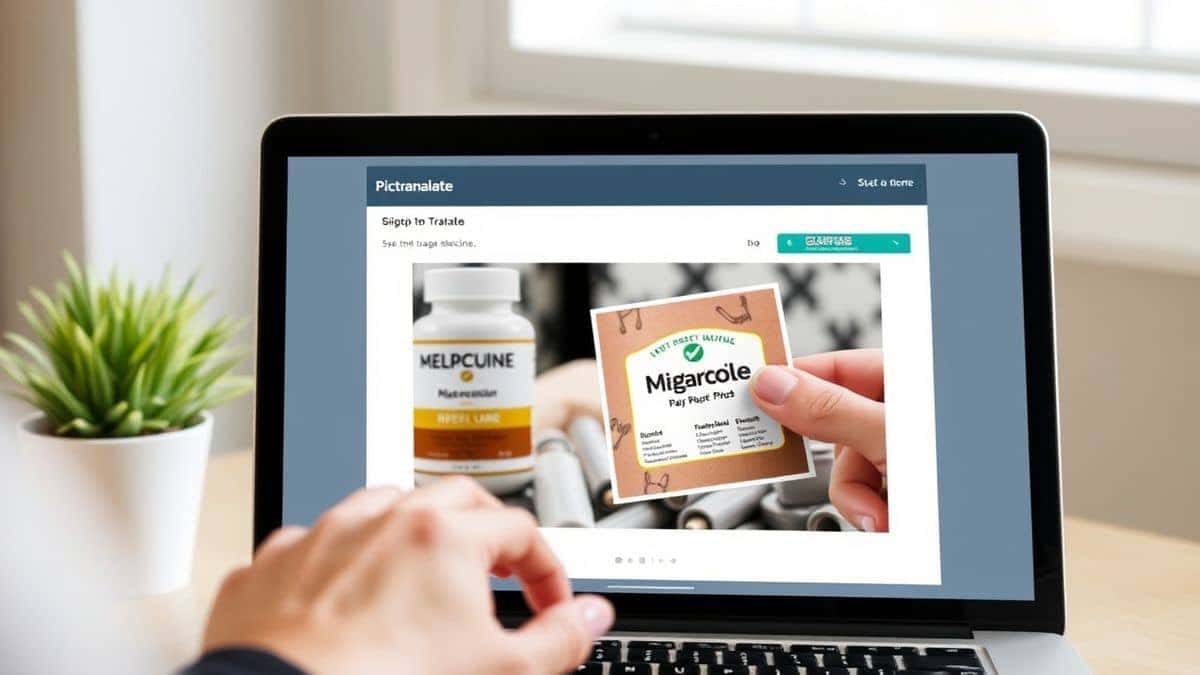
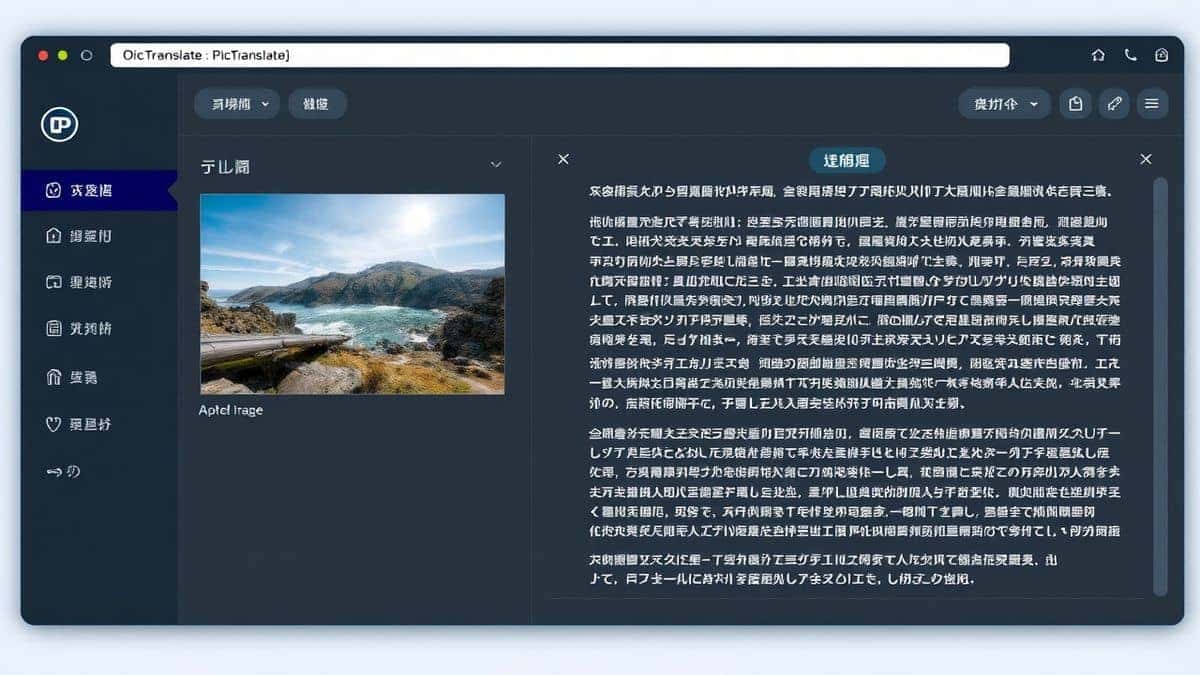
Step 3: AI Detects the Text
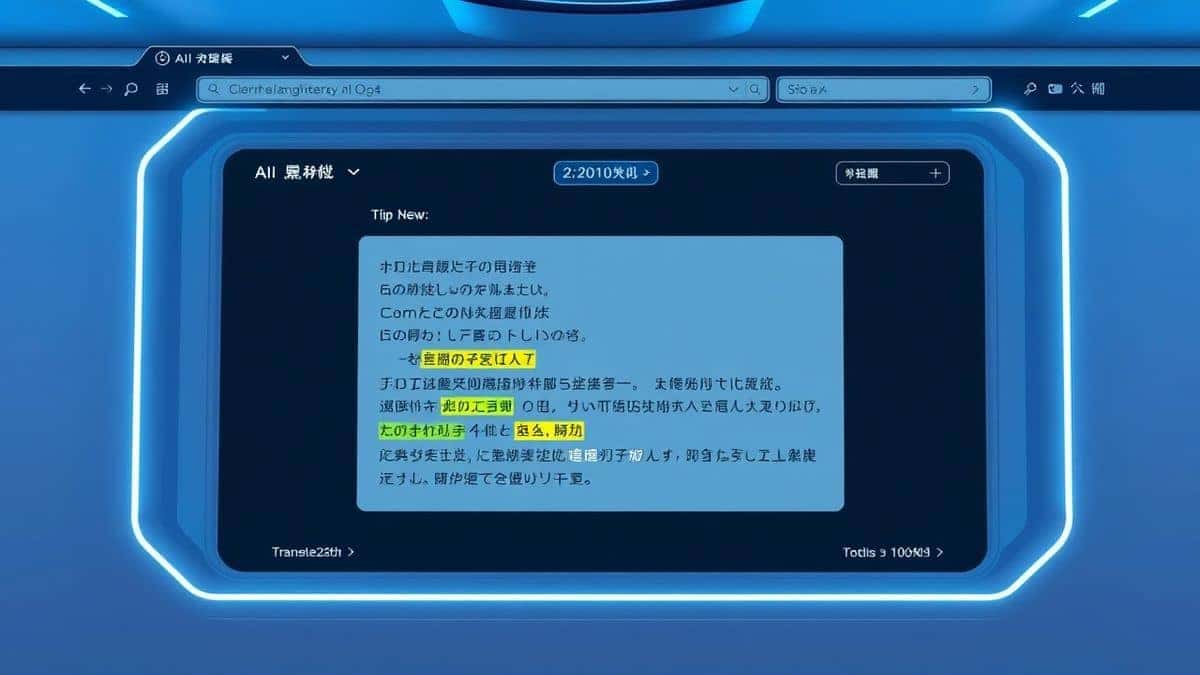
Once uploaded, the AI immediately scans the image. You will see the detected text highlighted or appear in a text box. This is the image to text extraction phase. It usually takes only 1-2 seconds.
Step 4: Select Your Translation Language
Choose the language you want to translate the text into from the dropdown menu. With support for 40+ languages, you can translate almost anything.
Step 5: Copy or Download the Result
The translated text appears instantly on the screen. You can copy it to your clipboard or download it as a text file for later reference.
Is PicTranslate Free?
Yes, PicTranslate operates on a generous freemium model that makes it accessible for everyone. This is perfect for users who just need to translate product labels from images occasionally, as well as power users who rely on it daily.
- Free Credits for New Users: When you first start using PicTranslate, you are given a bundle of free credits. This allows you to test the image translator tool extensively without any initial payment.
- Daily Login Rewards: For consistent users, there is a daily check-in system. By simply logging in each day, you earn daily credits. I’ve found this incredibly useful for maintaining a workflow without worrying about running out.
- Free Trial for Core Features: You can absolutely use the core translate image functionality for free to see if it meets your needs. The quality of the OCR and translation during the free trial is the same as the premium service.
- Credit Consumption: More complex tasks or higher usage will consume credits, but the daily rewards and initial credits ensure that casual users can likely translate photo text for free indefinitely.
Best Practices for Image Translation
To get the best possible results when you translate product labels from images, a little preparation goes a long way. Here are some pro-tips I’ve gathered from years of experience:
Ensure Proper Lighting
Good lighting is the secret to perfect OCR. Shadows or glare can confuse the AI. Try to take your photo in natural, even light. If you’re in a store, avoid using a harsh flash directly on glossy packaging.
Hold the Camera Steady
Blurry images lead to blurry text detection. Hold your phone steady, or better yet, rest it on a nearby surface for a second to ensure the text is in sharp focus before snapping the picture.
Fill the Frame
Don’t include unnecessary background. Crop the image so the product label fills most of the frame. The more pixels dedicated to the text, the easier it is for the OCR image translator to read it.
Check for Straight Lines
Try to photograph the label straight on, rather than at a steep angle. While modern AI like PicTranslate handles perspective distortion well, a straight-on shot will always yield the most accurate extract text from image results.
Clean the Surface
If you’re dealing with a dirty or dusty product in a warehouse or market, a quick wipe can remove smudges that might interfere with character recognition.
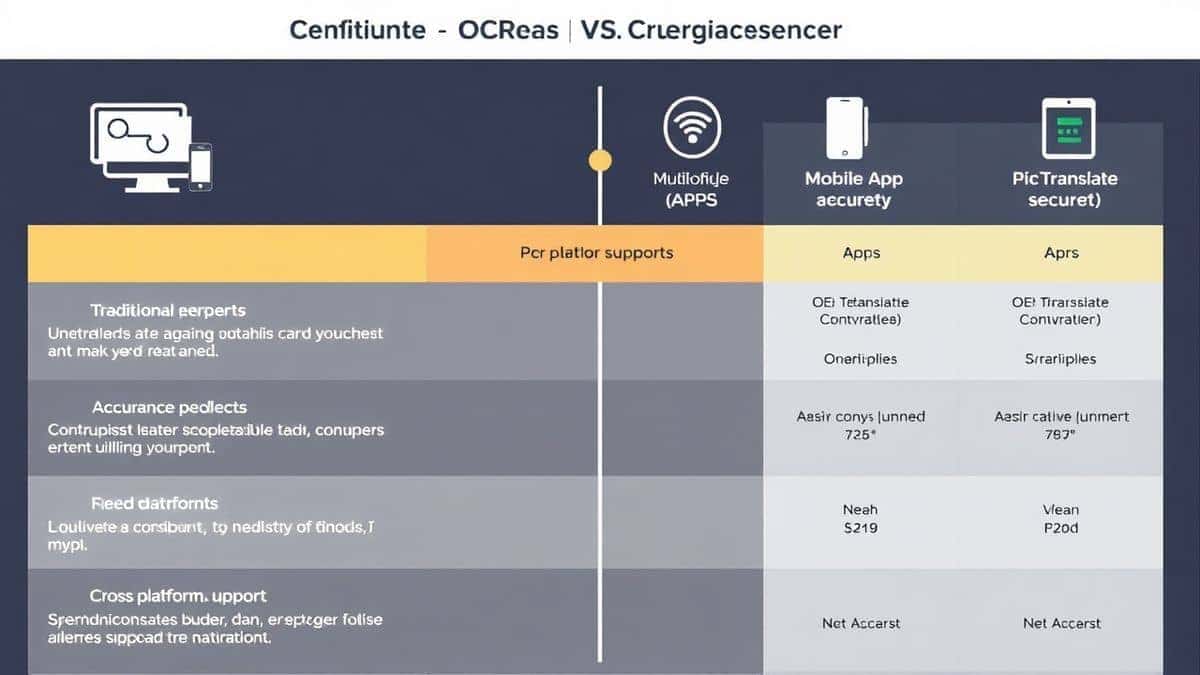
Comparison With Other Image Translator Tools
You might be wondering how PicTranslate stacks up against other popular methods. I’ve compared them side-by-side to save you the testing time.
Google Lens
Google Lens is excellent for quick, on-the-fly translations on your phone. However, it’s deeply integrated into the mobile ecosystem. It’s less convenient for desktop users who need to process images from their computer or for professionals who need to save and organize translated text. PicTranslate offers a more focused, web-based workflow that works seamlessly across all devices.
Mobile OCR Apps
There are dozens of mobile apps that claim to translate screenshot text. The problem is that many are filled with ads, require invasive permissions, or have hidden paywalls. PicTranslate’s browser-based approach means no app installation and no privacy concerns about what an app on your phone might be accessing.
Traditional OCR Software
Software like Adobe Acrobat or ABBYY is powerful but overkill for translating a product label. They are expensive, complex, and designed for document management, not for quick, everyday translation tasks. PicTranslate is purpose-built for speed and simplicity.
Frequently Asked Questions
What is the best Translate Product Labels From Images tool?
Based on my testing, PicTranslate is currently the best tool for this task due to its speed, accuracy with difficult images, and web-based accessibility.
Is Translate Product Labels From Images free?
Yes, with tools like PicTranslate. New users receive free credits to start, and you can earn more through daily check-ins, making it possible to translate images regularly at no cost.
Can PicTranslate translate screenshots?
Absolutely. You can upload any screenshot containing text, and the image translator will detect and translate it just as effectively as a photo.
Does PicTranslate support multiple languages?
Yes, PicTranslate supports translation in over 40 languages, covering most major languages used on product labels worldwide.
Is PicTranslate safe to use?
Yes. PicTranslate processes images securely. There’s no need to install unknown apps, reducing the risk of malware. Always check the privacy policy of any tool you use, but browser-based tools generally offer a safer interaction than downloaded software.
How accurate is the image to text conversion?
The AI-powered OCR is highly accurate, especially when following best practices for image quality. It handles fonts and backgrounds much better than traditional software.
Can I use it on my phone without an app?
Yes. Simply open your mobile browser and navigate to https://pictranslate.net. The site is mobile-friendly and works perfectly for on-the-go translation.
What image formats are supported?
PicTranslate supports common formats like JPG, PNG, and WEBP, covering the vast majority of photos and screenshots.
Do I need to create an account?
You can use the basic features without an account. Creating a free account allows you to earn daily credits and manage your translation history.
Can it translate handwritten text on labels?
While the AI is excellent for printed text, handwritten text can be more challenging. It depends on the clarity of the handwriting. The tool performs best with printed fonts.
Conclusion
The ability to instantly translate product labels from images has moved from a futuristic luxury to an everyday necessity. Whether you’re navigating a foreign pharmacy, sourcing international products for your business, or simply curious about the ingredients in your friend’s imported snack, you no longer need to struggle with language barriers.
Traditional methods are too slow, and complex software is too cumbersome. The modern solution is AI-driven, instant, and accessible to anyone with a browser. PicTranslate embodies this new standard, combining powerful image translator technology with a user-friendly interface.
You don’t need to be a tech expert or a polyglot. You just need the right tool. Try the free image translator here: https://pictranslate.net and see for yourself how simple it is to translate photo text and unlock the information hidden in images around you. In 2026, understanding the world is just a click away.
 Continue with Google