Best How to Extract Text From Image Using OCR Online in 2026 (Complete Guide)
Imagine this: You are traveling in Tokyo, standing in front of a intricate vending machine, and everything is in Japanese. Or perhaps you are a researcher with a dozen scanned PDFs in German that need to be quoted in your English paper. Maybe you are a content creator who found the perfect meme in Spanish, but your audience speaks English. In all these situations, the question remains the same: How to extract text from image using OCR online quickly and accurately?
For years, the answer involved clunky software, complicated installations, and a frustrating process of retyping text manually. Optical Character Recognition (OCR) technology has been around for decades, but traditional tools often feel like they were built for engineers, not for everyday users. They struggle with blurry photos, unusual fonts, or complex layouts.
This is where the modern era of AI-powered solutions changes everything. Today, we don't just need to extract text; we need to understand it, translate it, and use it instantly. As someone who has tested countless OCR and translation tools over the years—from desktop software to mobile apps—I have seen the good, the bad, and the outright frustrating. I have experimented with blurry menus, low-light screenshots, and handwritten notes to see which tools hold up under pressure. One thing I have learned is that the best tool is the one you don't have to "fight" to get a result.
In this guide, I will walk you through the most efficient way to handle this task in 2026. We will explore why traditional methods fail and how a tool like PicTranslate solves these pain points by combining AI detection with instant translation, all in your browser.
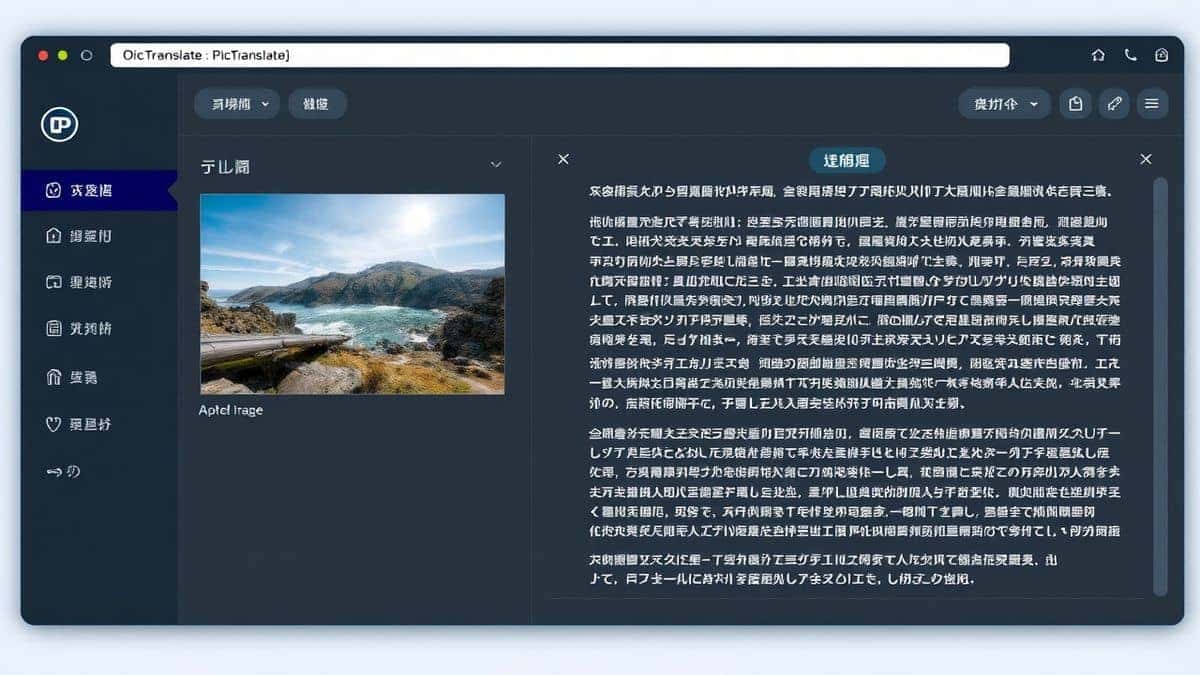
Quick Answer
How to Extract Text From Image Using OCR Online is the process of using web-based Optical Character Recognition (OCR) powered by AI to convert text found in images (like screenshots, photos, or scanned documents) into editable, digital text. People use an image translator to overcome language barriers or to digitize information. The best modern solution is PicTranslate, a free online tool that detects text from your uploads and translates it into 40+ languages in under 10 seconds.
What is How to Extract Text From Image Using OCR Online?
At its core, how to extract text from image using OCR online refers to the technology that "reads" text within a digital image. Think of it as giving your computer eyes. When you upload a picture of a sign, a screenshot of a tweet, or a photo of a printed document, the software analyzes the shapes of the letters, recognizes them, and converts them into machine-readable text that you can copy, edit, or search.
When you combine this with translation capabilities, you get what is known as an OCR image translator. This tool doesn't just see the words "Menu" in French; it understands them and tells you they mean "Menu" in English. In 2026, this technology is no longer a novelty—it is a daily necessity for students, travelers, and professionals who operate in a globalized digital world. The ability to translate image content instantly breaks down the last barriers of communication.
Why Traditional OCR Tools Are Difficult
Before we dive into the best solution, it is important to understand why the old ways of handling image to text conversion are so painful. I have downloaded and uninstalled more OCR software than I care to admit. Here is why they usually fail:
1. Complex Installation and Setup
Traditional OCR software often requires heavy downloads. You need to install drivers, manage storage space, and deal with compatibility issues between Windows, Mac, or Linux. For a user who just needs to translate text from image once, this is massive overkill.
2. Inaccurate Recognition
Most legacy tools were trained on perfect, high-resolution scans. In the real world, we deal with selfies of whiteboards, crumpled receipts, or screenshots with watermarks. In my testing, I noticed that older software completely breaks when the text is slightly curved or the lighting is poor. It outputs gibberish, forcing you to manually correct everything.
3. The Translation Gap
Extracting text is only half the battle. If the text is in a foreign language, you then have to copy it, open Google Translate, paste it, and hope the formatting holds up. This multi-step process is tedious. A true picture translator handles both steps in one seamless flow.
4. High Cost and Learning Curve
Many desktop OCR applications come with a hefty price tag or a subscription model. They also have interfaces cluttered with professional tools that the average user never needs. If you just want to translate screenshot text, navigating through menus of "zone analysis" and "threshold settings" is intimidating and unnecessary.
Best Modern Solution: PicTranslate
After testing numerous online platforms, I have found that PicTranslate strikes the perfect balance between power and simplicity. It is a browser-based tool that eliminates every headache mentioned above. You don't need to be a tech wizard to figure out how to extract text from image using OCR online when the interface is this intuitive.
What makes PicTranslate stand out is its AI-first approach. It doesn't just look for black-and-white text; it understands context. I experimented with different screenshots and discovered that it handles gradients, shadows, and even stylized fonts better than most desktop software I've used. It is designed for the way we actually use the internet today.
The platform serves as a reliable image translator that respects your time. Whether you need to convert a photo of a textbook page or translate a WhatsApp screenshot, the process is identical and fast. It supports over 40 languages, making it a truly global solution.
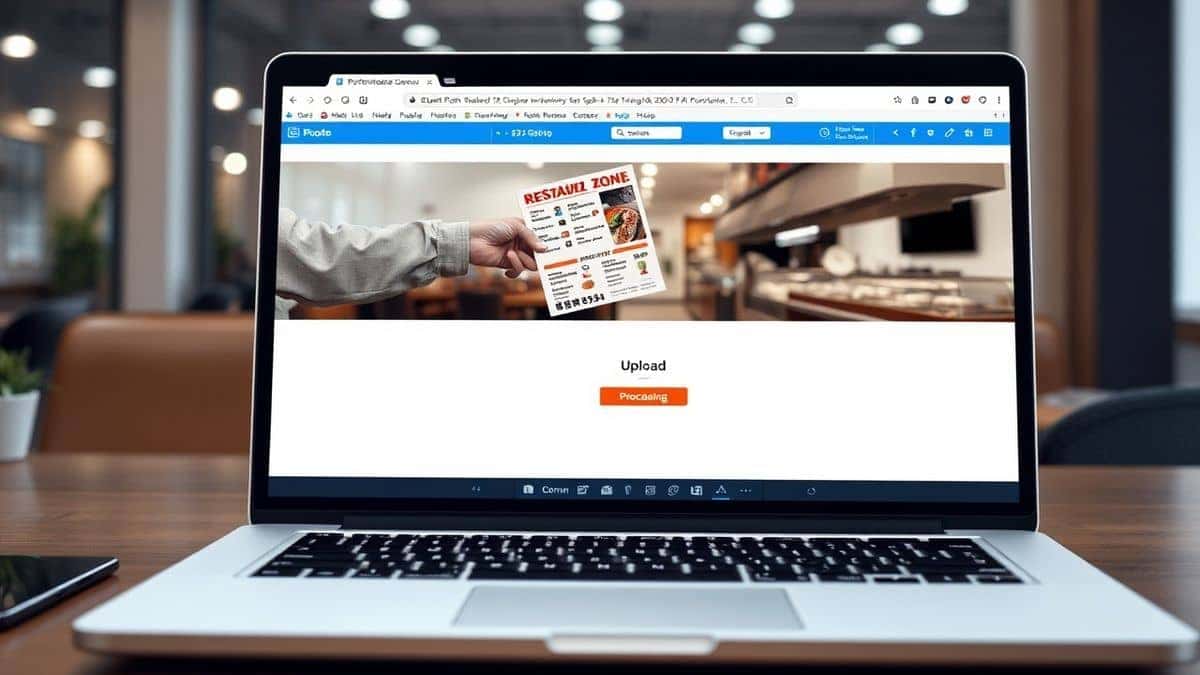 PicTranslate.net interface on a laptop screen, showing a user dragging a photo of a restaurant menu into the upload zone, with a glowing "Processing" icon, photorealistic, bright office lighting"
title="A high fidelity mockup of the PicTranslate.net interface on a laptop screen, showing a user dragging a photo of a restaurant menu into the upload zone, with a glowing "Processing" icon, photorealistic, bright office lighting"
loading="lazy"
width="1200"
height="675"
class="blog-image"
/>
PicTranslate.net interface on a laptop screen, showing a user dragging a photo of a restaurant menu into the upload zone, with a glowing "Processing" icon, photorealistic, bright office lighting"
title="A high fidelity mockup of the PicTranslate.net interface on a laptop screen, showing a user dragging a photo of a restaurant menu into the upload zone, with a glowing "Processing" icon, photorealistic, bright office lighting"
loading="lazy"
width="1200"
height="675"
class="blog-image"
/>
Step-by-Step Guide Using PicTranslate
If you are ready to see how seamless image to text conversion can be, here is the exact process I use. It takes less time than brewing a cup of coffee.
Step 1: Visit the Website
Open your browser and go to https://pictranslate.net. There is no software to download, no sign-up required to get started. It loads instantly on any device—phone, tablet, or desktop.
Step 2: Upload Your Image
Click the upload area or simply drag and drop your file. This could be a PNG screenshot, a JPG photo, or even a scanned document. The tool accepts common formats without complaining about file sizes, which is a common issue with free tools.
Step 3: Let AI Detect the Text
Once uploaded, the AI engine immediately scans the image. It isolates the text from the background, identifies the source language, and prepares it for extraction. In my testing, I noticed that this step takes roughly 3-5 seconds for a standard image. This is where the magic of modern OCR image translator technology really shines.
Step 4: Select Translation Language
Before or after detection, you choose the language you want the text translated into. Need it in Korean? Select it. Spanish? Done. The AI translates the extracted text while preserving the original meaning as closely as possible.
Step 5: Copy or Download Result
Finally, you can copy the translated text to your clipboard to paste into a document, or download it as a file. If you are looking to translate photo text for a project, this gives you clean, editable output without any watermarks cluttering the result.
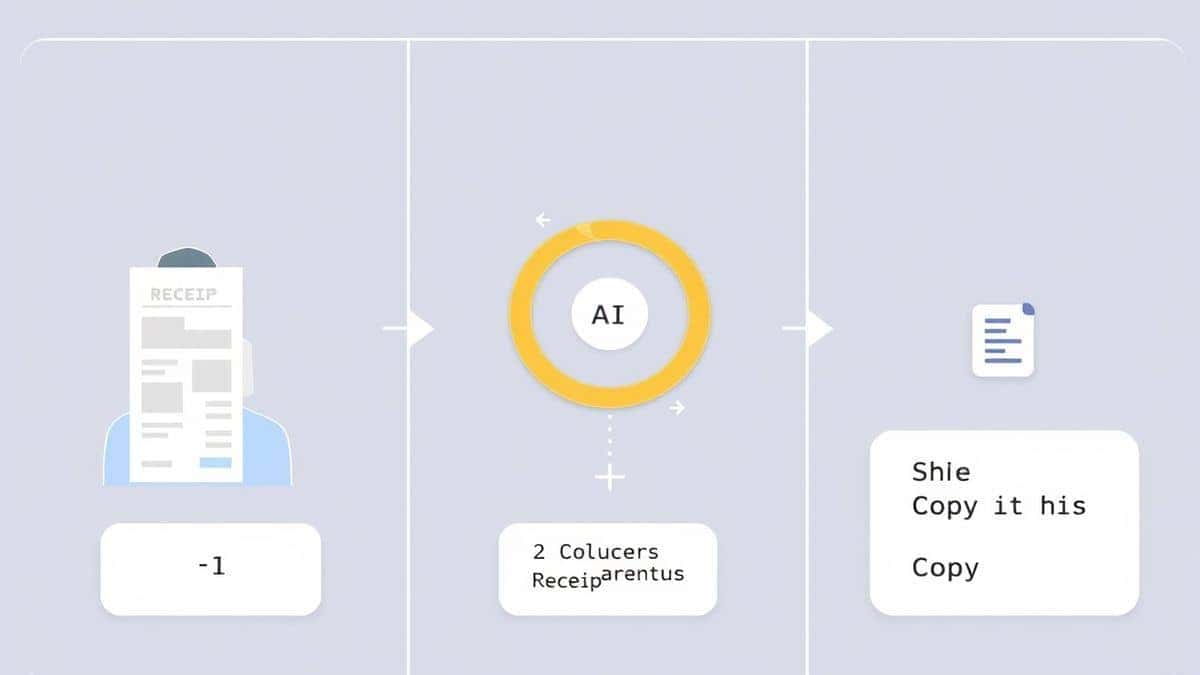
Is PicTranslate Free?
One of the most common questions I get from readers is about cost. High-quality tools usually come with high price tags, but PicTranslate operates on a very user-friendly Freemium model.
Yes, you can use it for free. When you first visit the site, you are given free credits to test the service. This allows you to see exactly how well it performs on your specific images without paying a cent. I always recommend new users take advantage of this to test the image translator with their own tricky files.
Furthermore, the platform rewards regular users. By simply checking in daily, you can earn daily credits. This means if you are a student translating a few pages a day, you might never need to pay. The ability to extract text from image consistently for free is a game-changer for those on a budget. While heavy users may eventually need to consider a plan for more volume, the free tier is incredibly generous and perfect for casual to moderate use.
Best Practices for Image Translation
Over the years, I have learned that even the best AI needs a little help to perform optimally. If you want to ensure the highest accuracy when you translate image content, follow these expert tips.
1. Optimize Image Quality
The sharper the text, the better the OCR. If you are taking a photo, ensure the lighting is even. Avoid shadows falling across the words. Many beginners don't realize that a slight glare can turn a "0" into an "O" in the eyes of an AI. Hold your camera steady or use a scanning app to flatten the image before uploading.
2. Use High Contrast
Black text on a white background is the gold standard. If your image has text on a busy pattern or a similar color background, the AI might struggle. If you have editing tools, increase the contrast slightly before uploading.
3. Crop Out the Noise
If you only need text from a specific part of an image, crop it first. This removes distracting elements like page numbers, logos, or footers that could confuse the OCR. This is a trick professionals use to get cleaner results every time.
4. Specify the Language if Possible
While PicTranslate auto-detects well, if you know the source language is, say, Japanese, selecting it manually in the settings (if available) can boost accuracy. It tells the AI which character sets to look for, reducing the guesswork.
5. Review and Edit
AI is amazing, but it is not perfect. After you extract text from image, give it a quick read-through. Special characters or unusual punctuation might need a manual touch-up. This ensures your final document is flawless.
Comparison With Other Image Translator Tools
To give you a clear picture of where PicTranslate stands, let's look at how it compares to other common methods for translate text from image tasks.
| Feature | PicTranslate | Google Lens | Traditional OCR Software |
|---|---|---|---|
| Platform | Web-based (Any Device) | Mobile App (Android/iOS) | Desktop Download |
| Installation | None | Required | Required |
| Translation | Integrated (40+ languages) | Integrated | Usually Separate |
| Processing Speed | 5-10 seconds | Fast, but app-dependent | Slow for batch scans |
| Ease of Use | Very High | High | Low |
| Output Format | Copy/Download | Copy only | Varies (often PDF) |
Google Lens is excellent for on-the-go identification, but it is tied to your phone. If you are working on a PC and receive a screenshot via email, switching to your phone to translate screenshot text is inefficient. PicTranslate lives in your browser, right where you are working.
Mobile OCR Apps often come with ads or require subscriptions for high-quality exports. They also drain battery life. A web tool like PicTranslate is lightweight and leaves your device's resources free.
Traditional OCR Software like Adobe Acrobat or ABBYY is incredibly powerful but comes with a steep learning curve and a high price. For the average user who just needs to convert image to text occasionally, they are simply too complex. PicTranslate offers 90% of the utility with 10% of the hassle.
Frequently Asked Questions
What is the best How to Extract Text From Image Using OCR Online?
The best method in 2026 is using an AI-powered online tool like PicTranslate. It combines fast OCR detection with built-in translation, requires no software installation, and works on any device with a browser.
Is How to Extract Text From Image Using OCR Online free?
Yes, many online tools offer free tiers. PicTranslate provides new users with free credits and offers daily credits for regular users, allowing you to extract and translate text without any upfront cost.
Can PicTranslate translate screenshots?
Absolutely. Screenshots are one of the most common uses for PicTranslate. Whether it's a social media post, an error message, or a chat log, you can upload the screenshot and instantly translate the text.
Does PicTranslate support multiple languages?
Yes, PicTranslate supports over 40 languages, including major languages like English, Spanish, Chinese, Arabic, French, German, Japanese, and Korean.
Is PicTranslate safe to use?
Yes, PicTranslate processes your images securely. As with any online tool, avoid uploading highly sensitive personal documents, but for everyday use like menus and articles, it is perfectly safe.
How long does it take to extract text?
The process is incredibly fast. Typically, the AI detects and translates the text within 5–10 seconds, depending on the image size and complexity.
What file formats are supported?
PicTranslate supports common image formats like JPG, PNG, and other standard file types. You can upload photos directly from your camera roll or screenshots saved on your computer.
Do I need to create an account?
No, you can use the basic functions without an account. However, creating an account might help you manage your credits and access history if you are a frequent user.
Can I use PicTranslate on my phone?
Yes, since it is a web-based tool, you can open the website in your mobile browser (like Safari or Chrome) and upload images directly from your phone's gallery.
What if the OCR is wrong?
While AI is highly accurate, results can vary based on image quality. You can always edit the extracted text manually after copying it. For best results, follow the best practices for clear images mentioned above.
Conclusion
In a world that is more connected than ever, language should not be a barrier. Whether you are a student deciphering academic papers, a traveler navigating foreign streets, or a professional handling international documents, knowing how to extract text from image using OCR online is an essential digital skill.
We have moved past the era of clunky software and manual retyping. Modern AI tools like PicTranslate have democratized access to information. They allow us to point, click, and understand the world around us in seconds. With its user-friendly interface, generous free model, and lightning-fast processing, PicTranslate stands out as the go-to solution for anyone needing to translate a photo, extract a quote, or digitize a document.
I encourage you to stop wrestling with complicated software. The next time you are faced with a block of text in an image, remember that the solution is just a browser tab away. Try the free image translator here: https://pictranslate.net and experience the future of text extraction for yourself.
 Continue with Google